Bridging the Gap: Examining Human and Robot Interaction


In a world more and more shaped by tech, the relationship among people and robots has become a vital area of research. Human-Robot Interaction courses are designed to examine this captivating relationship, concentrating on how people connect and collaborate with automated systems. As robots continue to spread into various fields of our everyday existence—from production and medical care to education and home environments—a profound understanding of HRI is necessary for anyone wanting to work with or create these technological advancements.
These programs offer a unique blend of technical skills and user-centered design concepts, preparing learners to efficiently navigate the intricacies of this growing field. Whether you are a newcomer eager to explore the basics or a seasoned professional wanting to enhance your skills, HRI courses address a diverse array of areas that illuminate the foundations behind effective human-robot collaboration. As we delve the significance of these programs, we will underscore the abilities acquired, the job prospects available, and the influence of HRI on future innovations in the tech world.
Summary of Human-Robot Interaction Courses
Human-Robot Interaction courses delve into the interdisciplinary field that merges elements of robotics, AI, cognitive science, user experience, and communication. These classes aim to facilitate a better comprehension of how people and robots can effectively collaborate and interact. In an time where automation are increasingly embedded into everyday activities, understanding the dynamics of human-robot interactions has grown in importance.
By registering in an Human-Robot Interaction course, students will gain understanding into the conceptual principles and practical uses of robots in society. HRI certification includes essential subjects such as interface development, robot ethics, and the psychological aspects of interaction with machines. Learners embark on practical activities that enhance their educational journey, motivating them to innovate solutions that facilitate collaboration with robots.
As the technological landscape evolves, the relevance of HRI programs continues to expand. Individuals equipped with expertise in this area will discover they are in high demand across various fields such as healthcare, production, and client relations. These programs prepare individuals for future challenges in technology and offer essential competencies that will be relevant in engineering and managing collaborations with sophisticated robotic systems.
Essential Skills and Advantages
A HRI course provides students with critical skills that link the gap between technology and user experience. Participants will acquire to create, build, and evaluate robotic systems while guaranteeing they are user-friendly and efficient. Key abilities include comprehending human behavior in interaction contexts, programming for robotics, and utilizing user-centered design methodologies. These skills are crucial for creating robots that can collaborate seamlessly with humans in diverse environments, from healthcare to industry.
Taking a Human-Robot Interaction course offers numerous advantages in addition to technical skills. Students enhance solution-oriented and critical thinking skills, crucial for solving intricate challenges in robotics. They also acquire insights into the ethical considerations surrounding robotics, equipping them to make informed decisions about the implications of their work. Additionally, practical experiences through hands-on projects allow learners to apply theoretical concepts, strengthening their understanding and enhancing their employability in the rapidly evolving tech landscape.
Furthermore, participants benefit from access to interdisciplinary practices, combining aspects of computer science, psychology, design, and engineering. This holistic method encourages innovation and adaptability, traits that are essential in today's workforce. Graduates come out with a comprehensive skill set that not only readies them for immediate roles in various industries but also nurtures a long-term capacity for growth and learning as tech continues to advance.
Future Career Prospects
As the field of robotic technologies continues to evolve and merge more fluidly within various industries, the demand for experts skilled in human-robot interaction is increasing. Graduates of human-robot interaction courses can anticipate to find positions in fields such as healthcare, manufacturing, and media, where robotic systems increasingly assist humans in daily tasks. The skill to design, implement, and evaluate interactions between humans and robots is critical for developing intuitive and effective robots that meet the needs of users.
Moreover, as robotic automation becomes a cornerstone of contemporary business practices, organizations are seeking individuals who not only have technical expertise but also understand the ethical concerns and user engagement associated with robots. This combination opens doors for job opportunities in UX design, robotics research, and systems engineering, where workers can manage groups that create user-friendly robots that boost productivity and enhance quality of life.
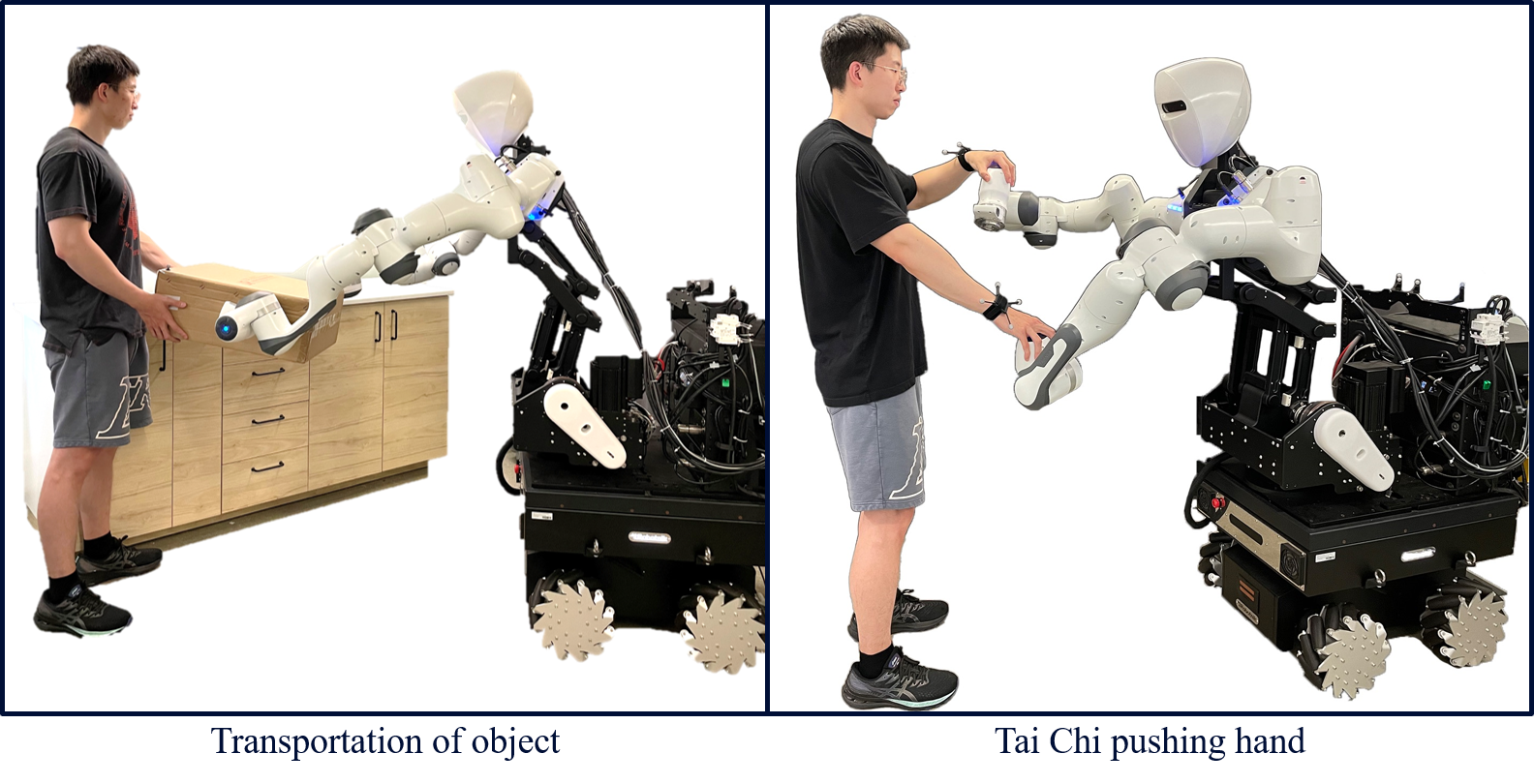
In addition to traditional employment opportunities, the evolving environment of human-robot interaction also encourages entrepreneurship and creativity. Individuals equipped with specialized expertise can launch their ventures, creating new applications and offerings that leverage the power of robotics. By staying on the cutting edge of technology and user engagement, those who finish a human-robot interaction course will be well-positioned to contribute to the prospects of this vibrant area.