Collaborative Synergy: Key Takeaways in Robot-Human Interaction


In today’s rapidly evolving technological landscape, the fusion of human capabilities and robotic systems is changing how we exist and work. The HRI course appears as a critical field of study, centering on the interactions between people and robots. As robots become increasingly integrated into our daily lives, grasping how to successfully design and interact with these technologies is crucial. This course provides a complete foundation for anyone interested in examining how humans and robots can cooperate smoothly.
Participants in a Human-Robot Interaction course can anticipate gaining essential insights and skills that are necessary for navigating a future where human-robot collaboration is the norm. From fostering empathy in robotic design to realizing the ethical implications of autonomous systems, this course arms learners with the knowledge needed to thrive in a variety of professional settings. Whether you are a beginner or looking to enhance your expertise, the curriculum offers a rich blend of theoretical knowledge and practical applications that lead to revolutionary breakthroughs in technology.
Skills and Benefits of Human-Robot Interaction Programs
HRI programs offer a range of critical competencies that are increasingly valuable in today's tech-centric world. Participants will discover to create and deploy intuitive robotic systems that effectively interact and work together with humans. Skills such as programming, system unification, and UI design are enhanced, enabling learners to become proficient in developing applications that enhance user experience and participation. Grasping psychology and social dynamics is also emphasized, allowing learners to design robots that more effectively adapt to human requirements and wants.
Aside from hard skills, these programs provide substantial advantages that extend beyond the academic setting. Involving oneself in real-world projects fosters innovation and creative thinking, allowing students to implement theories in practical scenarios. Establishing contacts opportunities with leaders in the field create pathways to joint ventures and support, further enhancing the educational journey. Participants also develop an understanding into the moral aspects surrounding HRI interactions, allowing they can practice accountable practices in their work.
Finally, the knowledge gained in HRI courses prepares students for a career in a fast-changing job market. As Learn Physical UX and more incorporate robots and AI into their operations, the requirement for trained experts who can bridge the gap between humans and technology is increasing. Graduates can explore varied career paths, from designing supportive tech for medicine to building innovative manufacturing systems, making this program a key stepping stone for future creators in the industry.
Career Pathways and Possibilities in Human-Robot Interaction
As the field of technology evolves, the need for skilled professionals in human-robot cooperation is rapidly rising. Students of this class can explore diverse career pathways, including roles in research & development, user experience design, and product strategy. https://temple-have-2.mdwrite.net/awakening-compassion-the-art-of-human-machine-communication across sectors such as health, industry, and entertainment are looking for experts who can handle the challenges of designing effective and successful robotic systems that enhance efficiency and protection.
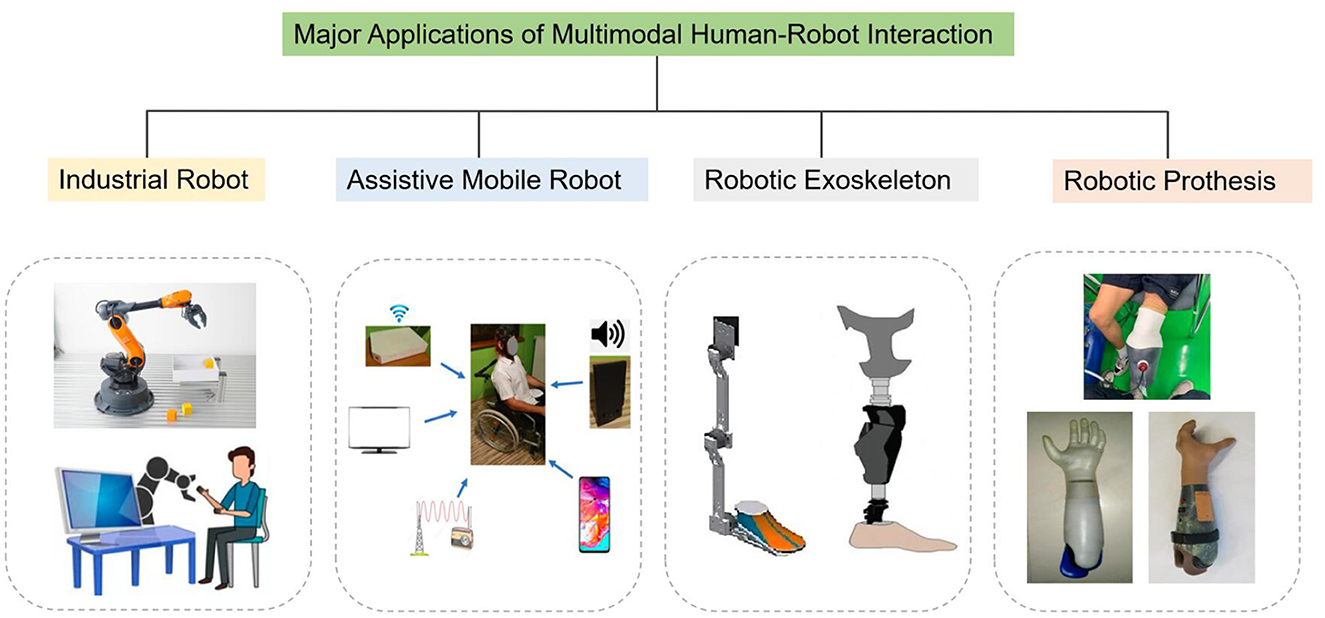
In besides traditional careers, the human-robot cooperation program prepares students for emerging careers in cross-disciplinary fields. Participants who complete class may end up partnering with AI, ML professionals, and cognitive experts professionals to develop cutting-edge applications. Areas like robotics for rehabilitation and services automation are on the rise, allowing experts to assist to designing automated systems that help and collaborate with people in routine tasks, making them critical in a variety of industries.
Furthermore, as robotics becomes increasingly integral to our existence, business ventures in the realm of human-robot interaction is growing. Program attendees not only attain technical skills but also understand creative processes and customer-focused design, preparing them to initiate new businesses or contribute to existing companies in developing advanced robotic solutions. This mix of know-how and creative problem-solving fosters a dynamic ecosystem for seeking unique job options and progressing in this thriving domain.
Selecting the Suitable Human-Robot Program
As you are deciding on a HRI course, it is essential to consider your individual objectives and preferences. Various programs may emphasize different aspects of HRI, such as technical skills, design concepts, or ethical aspects. Reflect on what you hope to obtain from the course, be it a basic knowledge, targeted skills for your profession, or insights into the latest technologies in the industry.
Another vital factor is the instruction format. Some participants succeed in a hands-on, collaborative environment offered by face-to-face courses, where they can interact directly with instructors and peers. Others, may prefer the convenience of virtual courses that enable them to study at their own pace. Assess your learning style and timing to determine which format matches best with your way of life and commitments.
Lastly, investigate the schools providing these courses. Look for programs with excellent faculty backgrounds, good industry connections, and good student feedback. Top universities commonly provide access to state-of-the-art research and advanced technologies, which can augment your learning experience. By carefully evaluating these elements, you can find a Human-Robot Interaction course that satisfies your needs and prepares you for future careers in this evolving field.