Designing Empathy: The Human-Robotic Interface Experience


in a time when technology increasingly merges with humanity, the need for understanding human-robot interaction is crucial. With robots becoming essential to various industries, ranging from healthcare to entertainment, they require an empathetic and user-centered design methodology. A Human-Robot Interaction course provides individuals with the skills necessary to navigate this evolving field, preparing them to develop solutions to boost collaboration between humans and machines. By exploring how robots can be created and programmed to interpret and react to human emotions, this course offers a crucial foundation to anyone looking into the future of technology.
To individuals considering this field, a multitude of benefits await. https://graph.org/Fostering-Empathy-The-Science-of-Human-Machine-Communication-03-25 -Robot Interaction course includes a variety of essential topics, including the role of artificial intelligence in enhancing user experiences to the ethical implications of robotics in society. Featuring HRI certification -on projects and real-world applications, students learn not just learn theoretical concepts but also apply them in practical settings. Whether you are a beginner looking to explore this pioneering discipline or a professional striving to deepen your expertise, grasping the subtleties of human-robot interaction is vital for prospering in the technology-driven world of tomorrow.
Understanding HRI
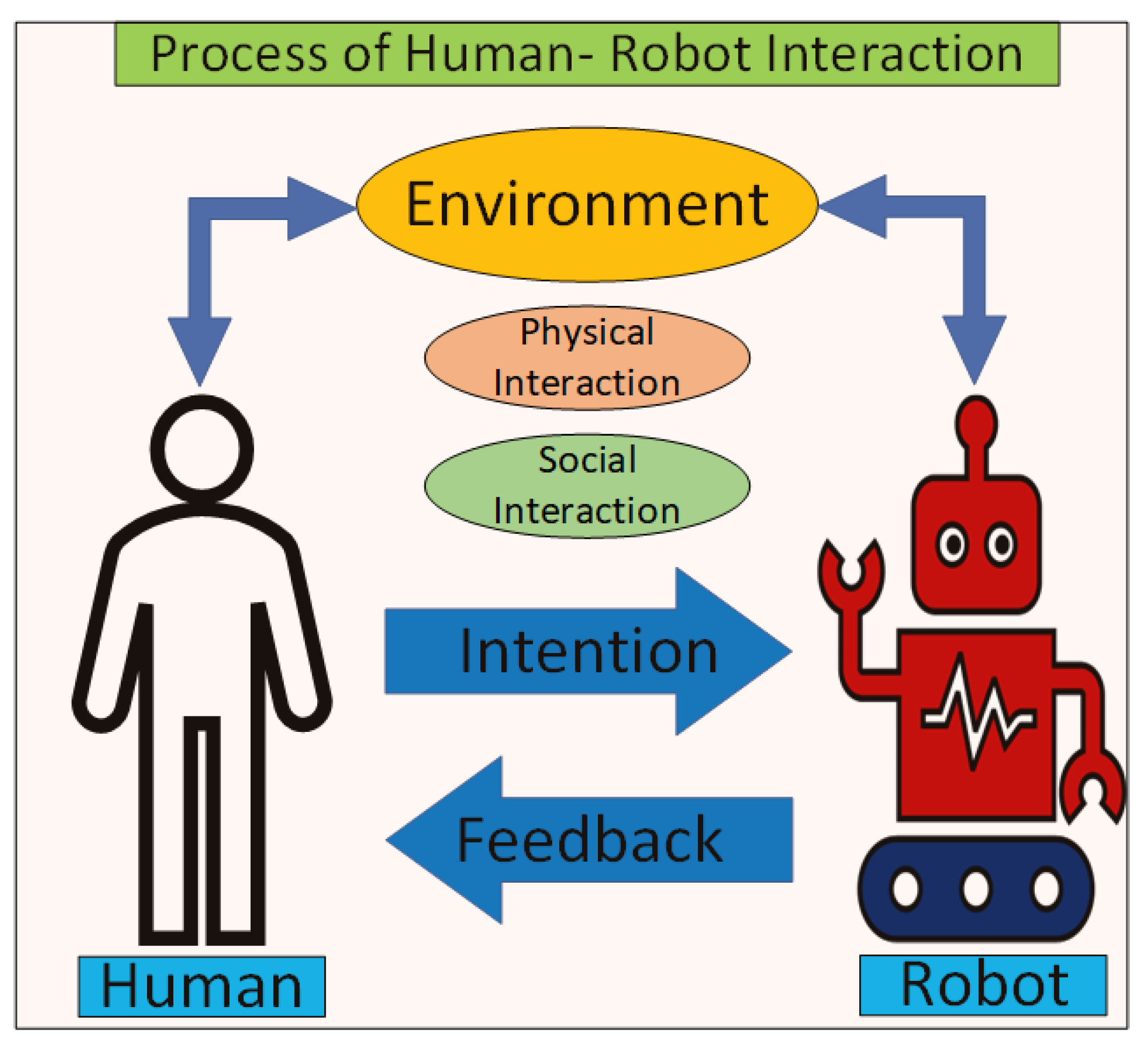
HRI, is an interdisciplinary field that examines how humans and robots can interact successfully. It covers a wide range of topics including the creation of robotics that are intuitive and responsive, ensuring that these machines can understand and respond to human emotions and contextual hints. The growth of robots in different industries has highlighted the value of human-centric methods, making HRI a vital area of investigation for those interested in the future of innovations.
The value of HRI lies in its ability to improve the functionality and adoption of robotic systems. As robots become part of workplaces and homes, ensuring that they can interact smoothly with humans becomes essential. This demands a deep understanding of human behavior, tendencies, and interaction techniques. Therefore, a Human-Robot Interaction course provides students with the understanding and skills essential to connect between human needs and robotic capabilities, encouraging a more smooth adoption of technology into routine activities.
As robots become more prevalent in our environments, the need for effective HRI becomes ever more important. By analyzing HRI, individuals discover on how to design robots that not only execute duties but also connect with users meaningfully. This includes tackling issues of trust, protection, and moral considerations, which are vital for the positive reception of robotic technology. Understanding and planning for these interactions can lead to advancements in various fields, ranging from healthcare to education, in the end defining the future landscape of human-robot collaboration. spintax ## Essential Skills and Benefits
A Human-Robot Interaction course offers students with a distinct blend of skills that are crucial in the evolving tech landscape. Among the top skills acquired are programming, machine intelligence, and user-centered design. Students learn how to configure robots to interact smoothly with humans, applying AI principles to enhance these connections. Design thinking is important as it aids in creating user-centric solutions, allowing students to develop empathy and comprehend user needs more deeply. This combination of practical and innovative skills prepares graduates for roles in various fields.
The benefits of enrolling in a Human-Robot Interaction course extend beyond just knowledge acquisition. It enhances collaboration and communication skills through group projects, where students work alongside classmates from diverse backgrounds. This environment promotes innovation, encouraging individuals to consider carefully about the effects of robotics in society. Additionally, experiential experiences with robots help to cement theoretical knowledge, making learning more effective.
Graduates from a Human-Robot Interaction course realize themselves ready for the rapidly changing job market. With the rise of automation and AI technologies, the requirement for professionals who can link between humans and machines is on the rise. Career opportunities encompass various disciplines, including medicine, teaching, and leisure, where grasping how people think and developing user-friendly systems are crucial. Ultimately, the course not only improves individual skill sets but also contributes to a world where humans and robots coexist together.
Selecting the Best Course
Selecting the appropriate Human-Robot Interaction course can significantly impact your educational experience and future career prospects. Evaluate the course content carefully; look for thorough coverage of key topics such as user experience design, robotics, AI, and moral implications. A well-rounded curriculum will not just provide theoretical insights but also hands-on projects that allow you to apply what you've learned in practical scenarios. Researching specific areas of emphasis within the programs can assist in identifying which courses align with your passions and career goals.
Another crucial consideration is the structure of the course. Web-based programs offer flexibility and can be a great choice for independent learning, while in-person classes provide chances for direct interaction with instructors and peers, fostering team-based learning. Assess your personal learning style and schedule to decide which format would work best for you. Additionally, think about the accessibility of resources such as mentorship, networking opportunities, and career services, which can be extremely helpful as you advance in this field.
Lastly, investigate the reputation of the schools offering these courses. Examine ratings, testimonials, and partnerships with industry leaders, as these can indicate the quality and applicability of the coursework. Engaging with current students or alumni can provide insights into the course's value and how well it has equipped them for their careers. By integrating these factors, you can choose a course that both fulfills your educational needs but also establishes a solid foundation for your career in Human-Robot Interaction.