From Sci-Fi into Real-World Applications: The Human-Robot Interactivity Course


In this contemporary quickly developing technological landscape, the concept of human-robot interaction has shifted from the domain of science fiction into a real reality. As robots robots become progressively embedded into our daily lives, from virtual helpers to self-driving cars, comprehending how we can effectively connect with these machines is of utmost importance. A Human-Robot Interaction course offers a distinct opportunity to investigate the foundations and approaches that govern this fascinating field, arming students with crucial skills to navigate the complexities of our robot-infused future.
This course delves into multiple aspects of interaction design, robot technology, and artificial intelligence, shedding light on both the real-world and ethical considerations of engaging with robots. Regardless of whether you are a newcomer keen to explore this pioneering domain or an seasoned professional seeking to enhance your knowledge, the Human-Robot Interaction course guarantees meaningful knowledge and practical experiences. As the lines between humans and machines fade, the necessity for skilled creators and thinkers who can span this chasm becomes ever more important, highlighting why such a course is important in today’s age at any other moment.
Grasping Human-Robot Interaction
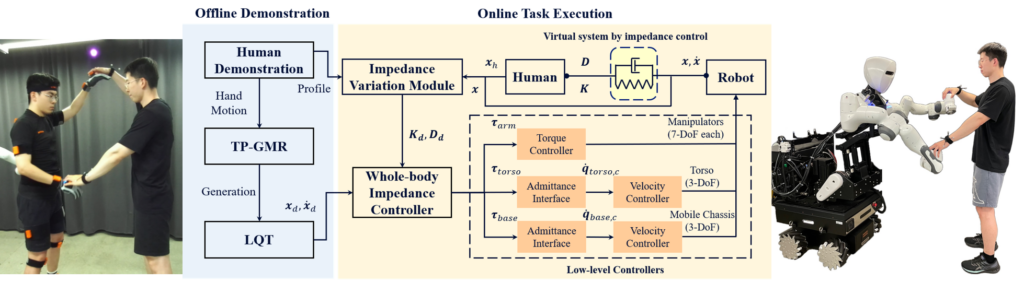
Human-Robot Interaction, frequently referred to as HRI, explores the methods in which humans and robots interact and work together with each other. This field encompasses a range of fields, including AI, neuroscience, and human-centered design. As robotic technology develops, understanding how to successfully design engagements between individuals and robots is increasingly vital. This consists of not just the technological elements of automation, but also how automated systems can be programmed to interpret individual emotions, intentions, and cues.
At the heart of Human-Robot Interaction is the focus on improving the usability and capabilities of machines in ordinary situations. From socially assistive robots that can take part in conversation to manufacturing robots that aid in production lines, the design of these interfaces is essential. The concepts of Human-Robot Interaction are applied in numerous areas, including medicine, teaching, and customer service, where machines can improve productivity and deliver assistance. This understanding can lead to more accessible and effective systems that enhance individual capabilities rather than replace them.
The research of HRI is becoming more and more important as we move towards a future where machines are central to our routine tasks. As machines become more common in households, work environments, and public spaces, knowing how to connect with them safely and effectively can greatly enhance society. Click This Link prepare students not only to construct and program automated systems but also to ensure that these technologies are engineered with a prioritization on user engagement and community integration, ultimately defining the future landscape of technology.
Skills and Career Pathways
A HRI course equips students with a wide range of abilities essential for the evolving landscape of technology and robotics. Students learn to develop and evaluate robots that can efficiently interact with humans, focusing on interpersonal communication, UX design, and emotional intelligence in machines. Additionally, coding and algorithms are key components, enabling participants to create adaptive robots that can respond to user needs and environmental changes. Understanding the principles of artificial intelligence also plays a significant role, readying students to meld these technologies into their designs effectively.
Upon completing a Human-Robot Interaction course, a spectrum of promising career pathways opens up. Graduates may find employment as user experience designers, where they will specialize on creating intuitive interfaces for robotic systems. Other potential roles include roboticists, scholars in human-robot interaction, and even ethics advisors, as the ethical implications of robotics become increasingly crucial. Industries such as medical, production, and media are actively seeking professionals who can bridge the gap between human requirements and robotic capabilities.
Moreover, the multi-faceted nature of this field encourages partnership across multiple domains. Those with skills in psychology, visual design, and technical fields will find themselves well-prepared for roles that require creative problem-solving and problem-solving. The demand for professionals adept in collaborative robotics continues to grow, making this a exciting pathway for those interested in crafting the future of technology and its societal impacts.
### Choosing the Right Course
Choosing the right Human-Robot Interaction course is essential for your personal and professional growth in this emerging field. Start by assessing your present level of understanding and experience in robotics and related areas. If you are a novice, look for introductory courses that cover foundational concepts and slowly lead you into advanced applications. For those with prior experience, advanced classes can provide greater insights into specific areas and the latest technologies involved in HRI.
It is also crucial to consider the mode of instruction that suits your preferred way of learning. Online courses offer convenience and ease, allowing you to study at your individual pace, while in-person classes can provide practical experiences and networking opportunities with classmates and instructors. Research the course syllabus and ensure that it aligns with your career goals and interests. Check for courses that incorporate practical projects which allow you to interact with actual situations and apply your knowledge.
Finally, examine the credentials of the institutions offering these courses. Look for programs from well-respected universities or institutions with close ties to the robotics. Reviews from former students can provide valuable insights into the course quality and outcomes. Selecting the appropriate HRI course will provide you with the necessary skills and knowledge to excel in this thrilling and quickly changing field.