Navigating the Innovative Horizon: An In-Depth Look at Human and Robot Interaction Programs


While technology swiftly evolves, the convergence between human-robot interaction and robots is increasingly critical. HRI classes are becoming available as crucial learning opportunities, offering students with skills and expertise required to explore this thrilling field. As these machines taking on positions in multiple sectors such as health services, manufacturing, and personal aid, grasping how to design, code, and collaborate with these robots becomes essential.
Such programs delve into the nuances of how people and robots can cooperate harmoniously. From foundational theories to practical uses, learners get knowledge into user experience, behavioral design, and the ethical aspects of the technology in human life. As we transition to an age where collaboration with AI is normal, equipping ourselves with necessary skills through a HRI course not only will it prepare us for upcoming professional chances but also shape the tech landscape of next generations.
Grasping Human-Robot Interaction Courses
Human-Robot Interaction classes aim to examine the multifaceted interplay between humans and robots. HRI certification delve into how these machines can efficiently support, collaborate, and communicate with humans, focusing on both the technical and cognitive aspects of this relationship. As robotics progresses, grasping the nuances of human-robot collaboration is increasingly important in multiple fields, ranging from healthcare to manufacturing.
The significance of human-robot interaction courses lies in their ability to prepare students for a rapidly changing job market. With https://pad.stuve.de/s/Fuc8Cl0An increasing integration of robots into everyday life, professionals equipped with the expertise to design, implement, and optimize human-robot interactions are in great. These classes cover a varied spectrum of topics including user interaction design, UX design, and the ethical considerations of robotic systems, ensuring that learners are comprehensive in both practical and sociocultural dimensions of robotics.
Human-Robot Interaction courses are not just about acquiring knowledge to code robots; they emphasize interdisciplinary collaboration, involving learners from disciplines like computing, engineering sciences, psychology, and design. Through conceptual knowledge and practical applications, these courses aim to foster innovative thinking and problem-solving skills, crucial for creating technologies that enhance human-robot interaction and improve user experience in diverse contexts.
Competencies and Benefits of Human-Robot Interaction Training
Human-Robot Interaction courses equip students with a varied array of competencies essential for handling the challenges of contemporary technology. Students develop proficiency in creating and programming robots that can efficiently interact and cooperate with people. This comprises understanding UI design, programming languages, and sensory fusion, allowing the creation of intuitive and adaptive automated platforms. Additionally, students refine their problem-solving skills, vital for addressing real-world challenges faced in various industries.
One of the significant advantages of participating in a HRI program is the development of collaboration capabilities. Participants often work in teams to tackle projects, replicating practical settings where human-robot collaboration is crucial. https://pads.zapf.in/s/2S99sXYBl2 improves social abilities but also encourages creativity and ideas through the sharing of varied viewpoints. Students discover to approach challenges from different perspectives, which is invaluable in areas where multidisciplinary expertise is key.
Moreover, Human-Robot Interaction training prepares individuals for emerging job opportunities in a rapidly evolving technological environment. As industries more and more integrate robots into their processes, the demand for experts skilled in robot-human interaction continues to increase. Alumni are ideally placed for careers in fields such as medical, production, and customer service, where they can apply their knowledge to enhance productivity and boost user experiences. This course not only trains participants for current job markets but also sets them as forward-thinkers prepared to face future challenges.
Career Opportunities and Upcoming Developments
A HRI course opens the door to a variety of career options in new domains. Graduates can pursue positions such as HRI researchers, robot design engineers, user experience engineers, and interaction strategists. Sectors such as healthcare, production, and service sectors are actively incorporating robots into their operations, creating a need for professionals who comprehend how to effectively create and manage these interactions. Additionally, companies are looking for experts who can consider the moral considerations of robotics, thus widening the range of potential job roles.
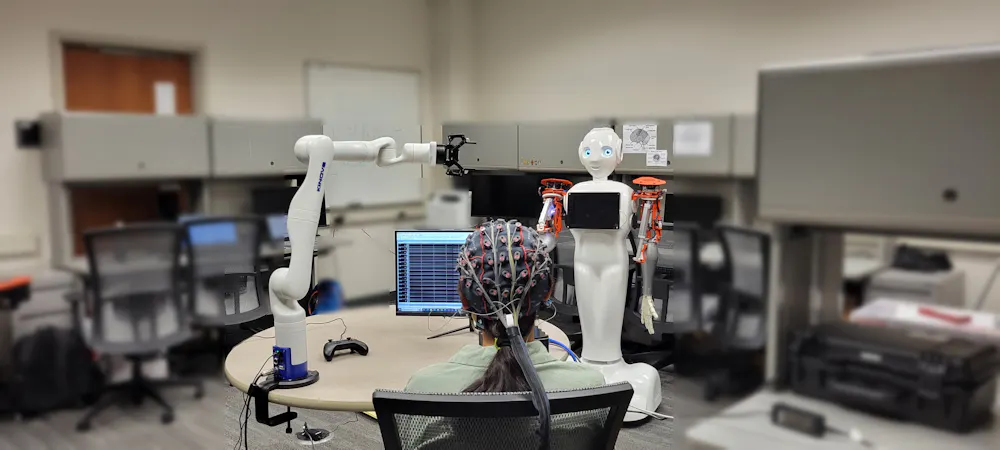
As technology evolves, the field of Human-Robot Interaction is likely to transform, incorporating advancements such as AI, ML, and “empathetic” robots. Future trends may feature more tailored robotic assistants and collaborative robots that collaborate with humans in multiple contexts. This integration will necessitate professionals who can not only program robots but also ensure they comprehend human actions, likes, and feelings. This growing partnership between humans and robots promises to create new roles that we might not even imagine today.
Taking a Robot-Human Interaction course equips students with the abilities necessary for these future roles while fostering creative problem-solving. As industries increasingly depend on robotics, understanding the principles of HRI will become a key advantage. By linking the divide between human needs and robotic capabilities, professionals in this field will be instrumental in shaping the future of technology, ensuring that robots benefit rather than obstruct our daily lives.