The Choreography of Minds and Robots: Mastery of Human-Machine Interaction


In an era where technology increasingly intertwines with our everyday existence, understanding the complexities of human-robot relations has never been more essential. As transition from industrial settings to residences, offices, and sometimes social environments, the need for efficient communication between people and these machines becomes vital. This is where a HRI course comes into play, offering knowledge and skills that equip individuals to navigate this intriguing field.
Whether you are a beginner curious about the effects of robotics or a experienced professional looking to enhance your expertise, this course provides a comprehensive foundation. You'll learn not only the basics of human-robot interaction but also delve into advanced concepts, hands-on assignments, and the moral aspects that shape the robotics landscape. Ultimately, becoming proficient in human-robot interaction is about fostering cooperation between intellects and machines, equipping you for an exciting future where innovative technology flourishes. Comprehending Human-Robot Interaction
Human-Robot Interaction is an interdisciplinary field that examines the ways in which humans and robots communicate , collaborate , and function in tandem. This area of study examines the development, deployment , and evaluation of systems that enable effective interactions between humans and robotic agents . The goal is to create robots that can comprehend and respond to human behavior, making them highly responsive and capable of functioning alongside humans in various environments.
As robotics becomes ever more common, the significance of Human-Robot Interaction continues to escalate. With robots now emerging in homes, workplaces, and public environments, understanding how to engage with these machines is essential . A Human-Robot Interaction course trains learners with the skills to create user-friendly robots, ensuring they can operate in ways that are risk-free, effective , and culturally appropriate . This training assists address fundamental issues about how people regard and interact with robots.
Moreover , the field of Human-Robot Interaction is continually developing , driven by breakthroughs in artificial intelligence and machine learning. As https://squareblogs.net/hriacademy624/cooperative-synergy-key-takeaways-in-robot-human-interaction , robots become more proficient at complex engagements , raising new obstacles and opportunities in their development . Courses in this area often include practical experiences, allowing students to experiment with real-world applications and keep up with future trends. By grasping the dynamics of Human-Robot Interaction, individuals can help in innovations that enhance collaboration between humans and machines.
Key Skills and Benefits
In a Human-Robot Collaboration course, students gain key skills that close the gap between technology and human action. Understanding how people interact with robots is crucial in designing systems that are intuitive and functional. Students study about user-centered design, usability assessment, and the behavioral science of robot-human interaction, which are critical for creating user-friendly interfaces and enhancing user satisfaction. This primary knowledge prepares individuals with the ability to meet problems that come up in real-world applications of robotics.
Moreover, participants develop technical skills such as programming, robot design, and artificial intelligence integration. These competencies are not only desirable to employers but also critical in creating innovative solutions within different domains, including medical, entertainment, and manufacturing. The course typically includes interactive projects where students implement academic knowledge to create working prototypes, refining their ability to solve problems and enhancing their cooperation skills in team settings.
The benefits of participating in a Human-Robot Interaction course reach beyond industry knowledge. Graduates are equipped to adapt to the rapidly changing landscape of the tech industry. As fields increasingly utilize robotics and AI, having knowledge in interfaces for human-robot communication becomes invaluable. Additionally, the ethical considerations taught in the course aid students navigate the complexities of technology deployment in the world, ensuring they contribute positively to future innovations while being mindful of their effects on the community.
Career Tracks in Human-Robot Interaction
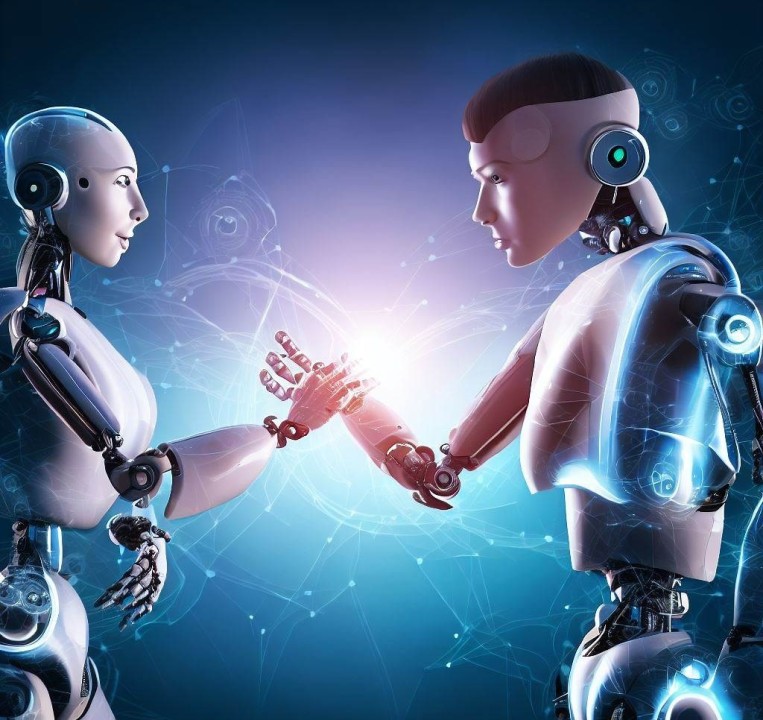
As the area of human-robot interaction continues to grow, various job prospects arise for workers equipped with the appropriate skills and expertise. Completers of HRI courses can seek diverse roles in sectors such as medical care, production, and media. Positions may encompass user experience designers for robot controls, engineering roles in robotics, or research scientists focusing on improving human-robot cooperation. The need for skilled practitioners in this niche domain promises a robust employment landscape, making it a attractive career choice.
Another important option is in academia and research. Those who have finished HRI programs may opt for advanced degrees, which can lead to careers as researchers or teachers. In these roles, they can participate to cutting-edge projects that push the boundaries of how people and machines can work together efficiently. Teaching the next wave of students in this emerging field also enables them to influence the comprehension and implementation of human-robot interaction principles in various disciplines.
In addition to traditional roles, there are opportunities in startups and tech firms focused on robotic solutions. Many organizations are actively investigating new uses for robotics in daily life, leading to roles that require innovation and cross-disciplinary skills. Professionals can work on the development of consumer-oriented robot products or on enhancing existing systems. With the integration of artificial intelligence and ML, the future of careers in human-robot interaction is set for rapid change, ensuring an exciting environment for those joining this field.